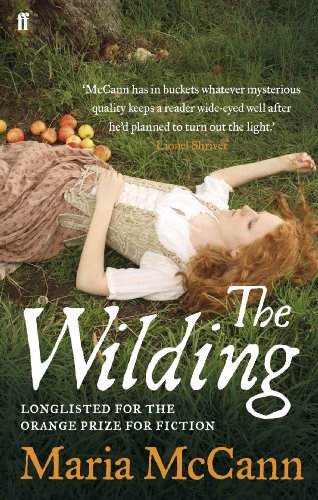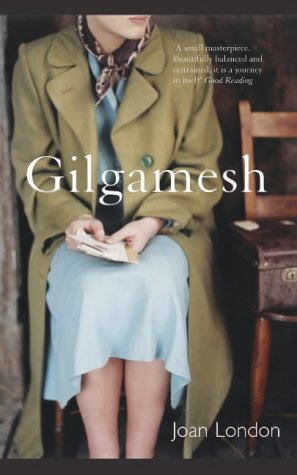


The best revenge the sisterhood of suffering can take for centuries of male oppression and fascism is to re-write them into ridiculous irrelevance - and this is at the heart of this rich and fierce novel. All shades of female thought and life are here - C19 and early C20 literature and art, magically intertwined within the fragmentary legacy of the legendary poet, Sappho. Told in snippets, with a light touch. this is a wild ride!
Now a murmur arose from the cluster of spectators watching Eva become Sappho. They were American parents, for the most part, present for charitable reasons. Accustomed to distant orphans and plates of petits fours, they regarded Eva Palmer curiously. She was a striking girl with a cascade of red hair, dreamy, rather a prodigy in classical arts, they had heard. The American parents who summered at Bar Harbor had not heard why exactly Eva Palmer had been expelled for a year from Bryn Mawr. But she was a very queer girl, they could see that. With their eyes they pinned the loose folds of her draped bed sheet more tightly. It was 1900. It was the first time Natalie Barney had seen Sappho in public.