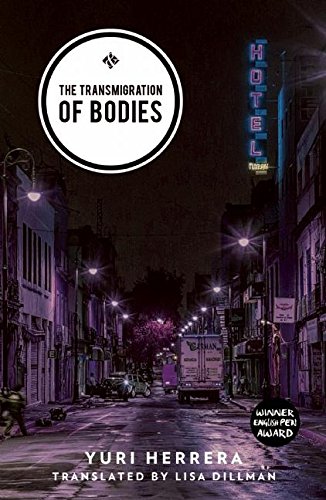


Plague, migration and violence create much grief including for Angustias who having fled from her home loses her young twins. Visitación commands an almost religious following, running an illegal cemetery under threat from corruption and guerrillas. With a backdrop of poverty in an unnamed Latin American country, this story of grief and mourning, told with a haunting, lyrical distance. Readers will deeply feel each brief, powerful chapter.
The Cuchillo Blanco morgue occupied three floors of a concrete building surrounded by fried snack stalls and hearses. They were parked next to the dumpsters and the police cruisers. Hawkers went in and out without oversight, and some even sold drinks in the corridors.
On the lower floor, huddled in a windowless room, a dozen men and women waited their turn to collect the bodies of family that have been taken by surprise when the Cumboto flooded as they tried to cross it illegally. Only the ones who knew how to swim managed to save themselves. Fishermen who combed the waters for peacock bass and trout alerted the police. The swollen bodies were entangled in their nets. And despite police boats patrolling he river all the way to its mouth, many bodies disappeared, spirited away by the strong current.